


How Does the Dual-USB Design of the Desktop Reader Writer Simplify RFID Integration?
Release Time : 2026-04-29
The integration of Radio Frequency Identification (RFID) technology into everyday business operations has traditionally posed a challenge for developers and system integrators who lack deep expertise in radio frequency engineering. However, the emergence of advanced desktop reader writers, such as the JT-6210, has significantly lowered this barrier to entry. A key innovation driving this accessibility is the dual-USB design found in modern UHF RFID desktop devices. This sophisticated hardware architecture simplifies the complex process of RFID integration by offering two distinct modes of communication through a single, compact piece of hardware, catering to both non-technical end-users and professional software developers.
The first and most straightforward aspect of the dual-USB design is the Keyboard Wedge or Human Interface Device (HID) interface. One of the USB ports on the device is configured to act exactly like a standard computer keyboard. When an RFID tag is scanned, the reader instantly translates the tag's digital data into a stream of keystrokes and "types" it directly into whichever text field is currently active on the computer screen. This ingenious feature means that no custom software, drivers, or complex programming is required to start reading tags. A user can simply plug the device into a computer, open a spreadsheet or a database application, and scan a card, with the data appearing immediately. This plug-and-play capability is invaluable for rapid deployment in scenarios like inventory checks or simple access control enrollment.
Furthermore, the keyboard wedge interface offers remarkable versatility in how it outputs data. High-quality desktop readers allow this virtual keyboard output to be configured into various formats, including Hexadecimal, ASCII, and standard Wiegand formats such as Wiegand 26, 34, 36, or 66. This flexibility ensures that the device can seamlessly mimic legacy hardware, allowing businesses to upgrade to modern UHF RFID technology without having to overhaul their existing software infrastructure. The ability to directly output data into Excel files or other standard applications streamlines workflows and drastically reduces the training time required for staff to operate the new system.
While the keyboard interface handles simplicity, the second USB port on these devices is dedicated to providing a robust Software Development Kit (SDK) connection, often emulating a virtual COM port. This interface is designed specifically for software engineers and system integrators who need granular control over the RFID reader's functions. Through the SDK connection, developers can send low-level commands to the device, allowing them to adjust critical parameters such as radio frequency power, reading sensitivity, and operational modes. This level of control is essential for fine-tuning the device to specific environmental conditions, ensuring that the built-in antenna reads tags accurately within a desired range while ignoring unintended tags in the background.
The dual-USB architecture also greatly simplifies complex data handling tasks, such as batch writing and encryption. For applications requiring high security, the SDK interface allows developers to create custom applications that can write encrypted data to tags, preventing unauthorized copying and ensuring the integrity of the identification system. Additionally, features like continuous writing of EPC (Electronic Product Code) data to multiple tags can be managed efficiently through custom software communicating via the SDK port. This ensures that large-scale card issuance or asset tagging projects can be completed quickly and reliably, with the software providing real-time feedback on the success or failure of each write operation.
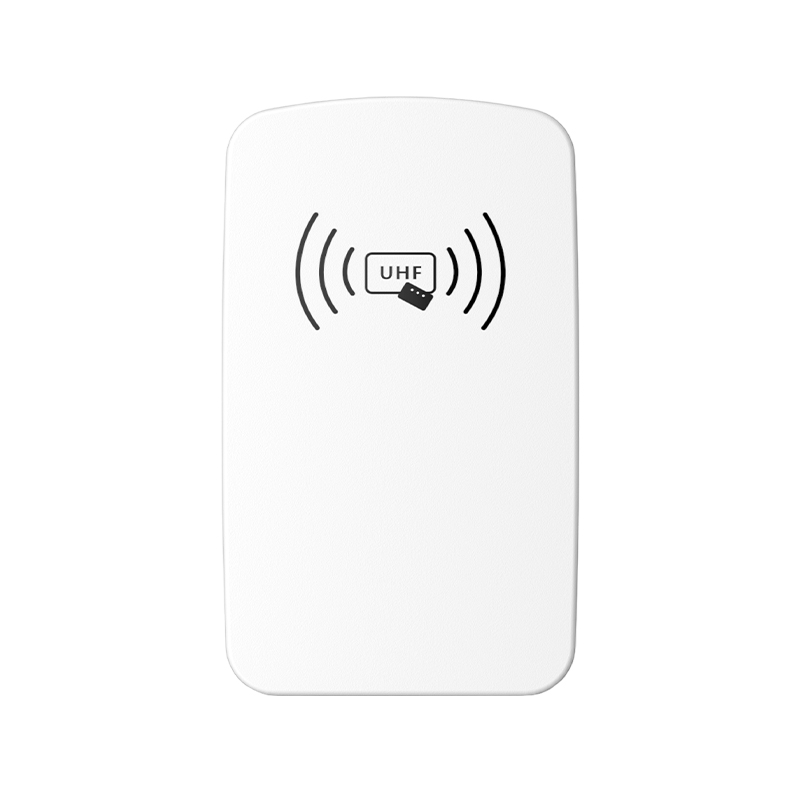
From a physical and operational standpoint, the dual-USB design contributes to a cleaner and more reliable workspace. Devices like the JT-6210 are engineered to be compact and lightweight, making them perfect for crowded desktops in reception areas or administrative offices. By consolidating two different communication methods into one small unit with a built-in antenna, the design eliminates the need for external power bricks, bulky antenna cables, or separate interface converters. This reduction in cable clutter not only improves the aesthetic of the workstation but also minimizes potential points of hardware failure, ensuring stable and reliable data reading and writing over the long term.
Ultimately, the dual-USB design of modern desktop RFID reader writers represents a perfect balance between user-friendly accessibility and professional-grade programmability. By simultaneously offering a zero-code keyboard output for immediate use and a powerful SDK interface for deep customization, these devices empower businesses of all sizes to leverage the full potential of UHF RFID technology. This thoughtful engineering approach ensures that whether the goal is simple data entry or complex, secure card issuance, the integration process is smooth, efficient, and highly adaptable to any operational need.
The first and most straightforward aspect of the dual-USB design is the Keyboard Wedge or Human Interface Device (HID) interface. One of the USB ports on the device is configured to act exactly like a standard computer keyboard. When an RFID tag is scanned, the reader instantly translates the tag's digital data into a stream of keystrokes and "types" it directly into whichever text field is currently active on the computer screen. This ingenious feature means that no custom software, drivers, or complex programming is required to start reading tags. A user can simply plug the device into a computer, open a spreadsheet or a database application, and scan a card, with the data appearing immediately. This plug-and-play capability is invaluable for rapid deployment in scenarios like inventory checks or simple access control enrollment.
Furthermore, the keyboard wedge interface offers remarkable versatility in how it outputs data. High-quality desktop readers allow this virtual keyboard output to be configured into various formats, including Hexadecimal, ASCII, and standard Wiegand formats such as Wiegand 26, 34, 36, or 66. This flexibility ensures that the device can seamlessly mimic legacy hardware, allowing businesses to upgrade to modern UHF RFID technology without having to overhaul their existing software infrastructure. The ability to directly output data into Excel files or other standard applications streamlines workflows and drastically reduces the training time required for staff to operate the new system.
While the keyboard interface handles simplicity, the second USB port on these devices is dedicated to providing a robust Software Development Kit (SDK) connection, often emulating a virtual COM port. This interface is designed specifically for software engineers and system integrators who need granular control over the RFID reader's functions. Through the SDK connection, developers can send low-level commands to the device, allowing them to adjust critical parameters such as radio frequency power, reading sensitivity, and operational modes. This level of control is essential for fine-tuning the device to specific environmental conditions, ensuring that the built-in antenna reads tags accurately within a desired range while ignoring unintended tags in the background.
The dual-USB architecture also greatly simplifies complex data handling tasks, such as batch writing and encryption. For applications requiring high security, the SDK interface allows developers to create custom applications that can write encrypted data to tags, preventing unauthorized copying and ensuring the integrity of the identification system. Additionally, features like continuous writing of EPC (Electronic Product Code) data to multiple tags can be managed efficiently through custom software communicating via the SDK port. This ensures that large-scale card issuance or asset tagging projects can be completed quickly and reliably, with the software providing real-time feedback on the success or failure of each write operation.
From a physical and operational standpoint, the dual-USB design contributes to a cleaner and more reliable workspace. Devices like the JT-6210 are engineered to be compact and lightweight, making them perfect for crowded desktops in reception areas or administrative offices. By consolidating two different communication methods into one small unit with a built-in antenna, the design eliminates the need for external power bricks, bulky antenna cables, or separate interface converters. This reduction in cable clutter not only improves the aesthetic of the workstation but also minimizes potential points of hardware failure, ensuring stable and reliable data reading and writing over the long term.
Ultimately, the dual-USB design of modern desktop RFID reader writers represents a perfect balance between user-friendly accessibility and professional-grade programmability. By simultaneously offering a zero-code keyboard output for immediate use and a powerful SDK interface for deep customization, these devices empower businesses of all sizes to leverage the full potential of UHF RFID technology. This thoughtful engineering approach ensures that whether the goal is simple data entry or complex, secure card issuance, the integration process is smooth, efficient, and highly adaptable to any operational need.