
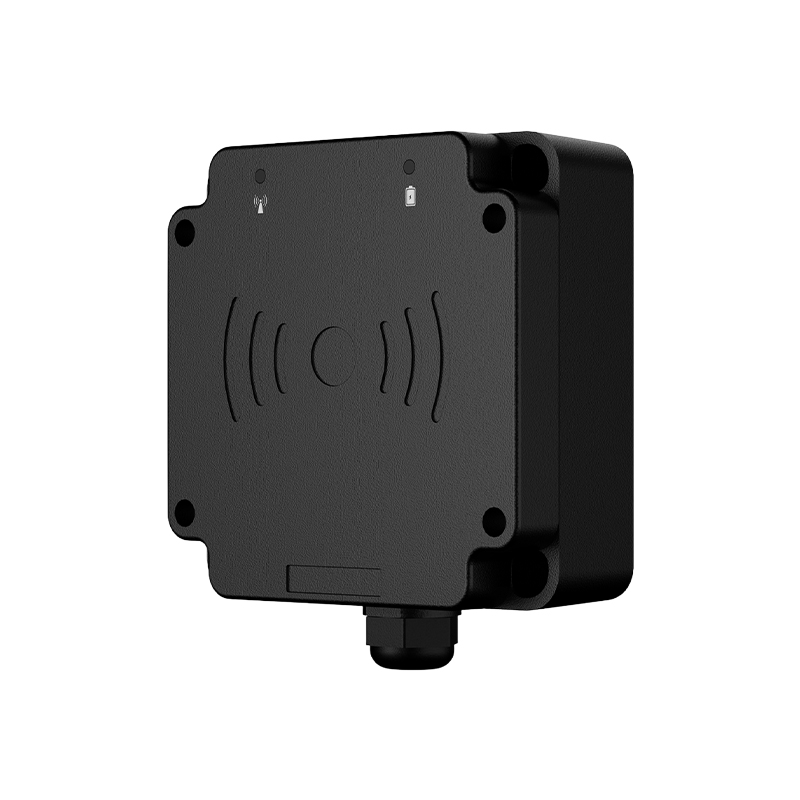

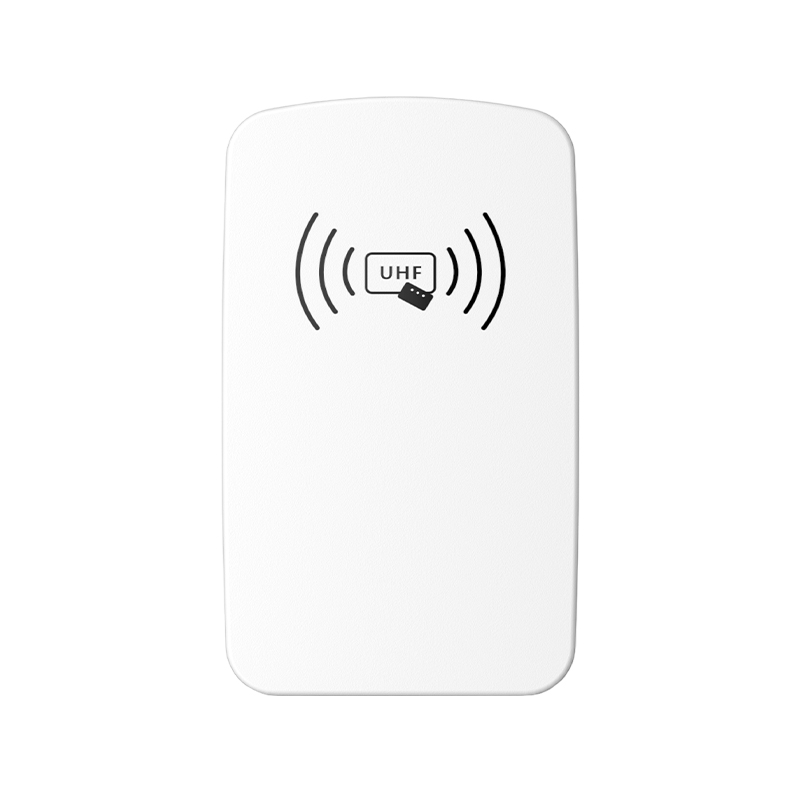
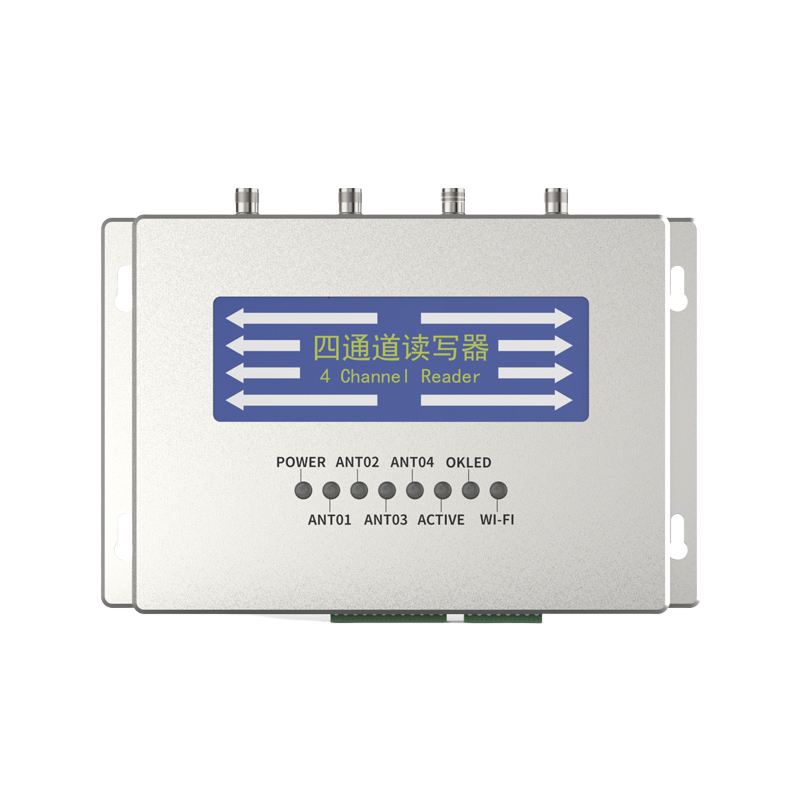


How does a UHF RFID reader adapt to the identification needs of tags made of different materials through a high-sensitivity RF modulation mechanism?
Release Time : 2026-06-23
In applications such as smart manufacturing, warehousing and logistics, industrial automation, and asset tracking management, the UHF RFID reader, as a key data acquisition device, directly determines the system's operational efficiency and data accuracy through its identification performance. Due to the diverse tag materials used in practical applications, including paper tags, PVC tags, metal-anti-metal tags, and special composite material tags, different materials exhibit significant differences in their absorption, reflection, and shielding effects on RF signals, which can easily lead to unstable identification distances or reading failures. To address this issue, the UHF RFID reader utilizes a high-sensitivity RF modulation mechanism to achieve adaptive identification optimization for tags of different materials, thereby improving overall system compatibility and identification stability.
1. Dynamic RF Power Adjustment Enhances Signal Adaptability
The core of the high-sensitivity RF modulation mechanism lies in the dynamic control of transmission power. The UHF RFID reader can automatically adjust the RF output power based on the tag material and the strength of the environmental feedback signal. When facing metal surfaces or tags with high shielding, the system can appropriately increase the power to enhance signal penetration; while in close-range or high-sensitivity tag applications, the power is reduced to avoid signal overload. This dynamic adjustment method effectively improves the compatibility of tags made of different materials.
2. Frequency Optimization Mechanism Enhances Anti-interference Capability
Tags made of different materials respond differently to radio frequency (RF) frequencies. Through a built-in adaptive frequency adjustment mechanism, the UHF RFID reader can fine-tune the operating frequency band within a certain range, allowing the signal to better match the tag's resonant characteristics. Simultaneously, in complex industrial environments, this mechanism can reduce the impact of electromagnetic interference on signal transmission, improve identification stability, and ensure reliable operation of the equipment under various working conditions.
3. Echo Signal Analysis Enables Accurate Identification
High-sensitivity RF systems are typically equipped with advanced echo signal analysis capabilities. When the reader transmits an RF signal and receives the tag's reflected signal, the system comprehensively analyzes the signal strength, phase, and delay to determine the tag's material characteristics. Based on this data, the reader can automatically optimize subsequent RF parameters, making the identification process more accurate and improving the success rate of reading tags made of different materials.
4. Adaptive Algorithm Enhances Multi-Tag Compatibility
In industrial settings, multiple tags are often used in combination. The UHF RFID reader uses a built-in high-performance identification algorithm to classify and identify tags of different materials and dynamically adjust the RF strategy. For example, in densely tagged environments, the system can prioritize identifying tags with stable signals through algorithms, while gradually optimizing the identification conditions for other tags, thus achieving efficient reading in multi-tag environments.
5. Environmental Sensing and Linked Optimization of RF Output
The RF adjustment mechanism is also closely integrated with the environmental sensing system. The reader can monitor environmental factors such as temperature, humidity, and electromagnetic interference intensity in real time and adjust RF parameters accordingly. In high-temperature or high-humidity environments, the system can enhance signal stability compensation; in environments with strong interference, it optimizes the frequency and power combination to ensure the device always maintains optimal identification performance.
6. Enhancing Overall System Stability and Application Adaptability
Through a high-sensitivity RF adjustment mechanism, the UHF RFID reader can not only adapt to tags of different materials but also maintain long-term stable operation in complex industrial environments. This adaptive capability significantly reduces the need for manual debugging, improves system deployment efficiency, and enhances the reliability and versatility of the equipment in smart manufacturing and logistics tracking.
In summary, the UHF RFID reader achieves efficient adaptation to tags of different materials through a multi-dimensional RF adjustment mechanism that includes dynamic power adjustment, frequency optimization, signal analysis, adaptive algorithms, and environmental linkage control. This technology not only improves recognition accuracy and stability, but also provides greater application flexibility and reliability for industrial-grade intelligent recognition systems.
1. Dynamic RF Power Adjustment Enhances Signal Adaptability
The core of the high-sensitivity RF modulation mechanism lies in the dynamic control of transmission power. The UHF RFID reader can automatically adjust the RF output power based on the tag material and the strength of the environmental feedback signal. When facing metal surfaces or tags with high shielding, the system can appropriately increase the power to enhance signal penetration; while in close-range or high-sensitivity tag applications, the power is reduced to avoid signal overload. This dynamic adjustment method effectively improves the compatibility of tags made of different materials.
2. Frequency Optimization Mechanism Enhances Anti-interference Capability
Tags made of different materials respond differently to radio frequency (RF) frequencies. Through a built-in adaptive frequency adjustment mechanism, the UHF RFID reader can fine-tune the operating frequency band within a certain range, allowing the signal to better match the tag's resonant characteristics. Simultaneously, in complex industrial environments, this mechanism can reduce the impact of electromagnetic interference on signal transmission, improve identification stability, and ensure reliable operation of the equipment under various working conditions.
3. Echo Signal Analysis Enables Accurate Identification
High-sensitivity RF systems are typically equipped with advanced echo signal analysis capabilities. When the reader transmits an RF signal and receives the tag's reflected signal, the system comprehensively analyzes the signal strength, phase, and delay to determine the tag's material characteristics. Based on this data, the reader can automatically optimize subsequent RF parameters, making the identification process more accurate and improving the success rate of reading tags made of different materials.
4. Adaptive Algorithm Enhances Multi-Tag Compatibility
In industrial settings, multiple tags are often used in combination. The UHF RFID reader uses a built-in high-performance identification algorithm to classify and identify tags of different materials and dynamically adjust the RF strategy. For example, in densely tagged environments, the system can prioritize identifying tags with stable signals through algorithms, while gradually optimizing the identification conditions for other tags, thus achieving efficient reading in multi-tag environments.
5. Environmental Sensing and Linked Optimization of RF Output
The RF adjustment mechanism is also closely integrated with the environmental sensing system. The reader can monitor environmental factors such as temperature, humidity, and electromagnetic interference intensity in real time and adjust RF parameters accordingly. In high-temperature or high-humidity environments, the system can enhance signal stability compensation; in environments with strong interference, it optimizes the frequency and power combination to ensure the device always maintains optimal identification performance.
6. Enhancing Overall System Stability and Application Adaptability
Through a high-sensitivity RF adjustment mechanism, the UHF RFID reader can not only adapt to tags of different materials but also maintain long-term stable operation in complex industrial environments. This adaptive capability significantly reduces the need for manual debugging, improves system deployment efficiency, and enhances the reliability and versatility of the equipment in smart manufacturing and logistics tracking.
In summary, the UHF RFID reader achieves efficient adaptation to tags of different materials through a multi-dimensional RF adjustment mechanism that includes dynamic power adjustment, frequency optimization, signal analysis, adaptive algorithms, and environmental linkage control. This technology not only improves recognition accuracy and stability, but also provides greater application flexibility and reliability for industrial-grade intelligent recognition systems.