


How can a desktop reader achieve efficient and stable RFID reading and flexible output in a compact body?
Release Time : 2026-01-22
In today's increasingly digital office environment, scenarios such as identity authentication, access control, and asset tracking place higher demands on efficient and convenient data interaction devices. As a key bridge connecting physical cards and digital systems, the performance and user experience of a desktop reader directly impact work efficiency. A cleverly designed dual-USB interface desktop reader, thanks to its deep adaptation to 860-960MHz RFID technology, optimized built-in antenna layout, and intelligent communication mechanism, achieves functionality far exceeding its size.
The answer lies first and foremost in the precise integration of the RF front-end and antenna. Unlike bulky external antenna solutions, this reader embeds a high-performance antenna directly into its compact body. Through electromagnetic simulation and iterative testing, engineers meticulously tuned the antenna's shape, position, and feeding method, enabling it to form a uniform and reasonably covered reading field within a limited space. When a standard-compliant RFID tag approaches the desktop area, regardless of slight angle adjustments, the signal is quickly captured and stably decoded. This "seamless recognition" experience allows users to complete operations simply by placing the device on their finger, eliminating the need for deliberate alignment or repeated attempts, thus greatly improving smoothness.
Furthermore, the dual USB interface design provides unprecedented output flexibility. Traditional card readers often only support fixed data output formats, making them difficult to adapt to different systems or application scenarios. This reader, however, cleverly utilizes dual USB channels to freely switch between multiple virtual keyboard output modes. Users can choose to transmit card number information via standard keyboard input, hexadecimal serial port simulation, or a custom protocol, depending on the needs of the backend system. This means that the same device can be used for enterprise access control, seamlessly integrated into library borrowing and returning systems, and even support customized industrial data acquisition terminals—no hardware changes are required; the role can be switched solely through software configuration, truly achieving "one device for multiple uses."
In addition, compliance and stability are the cornerstones of its reliable operation. The device strictly adheres to international RFID application specifications for the 860-960MHz frequency band and has passed authoritative certifications such as the US FCC, ensuring that it does not interfere with other devices in complex electromagnetic environments and is unaffected by external signals. Built-in filtering and anti-interference circuitry effectively suppresses power supply noise and radio frequency spurious emissions, maintaining accurate reading and rapid response even on desks densely populated with electronic devices such as computer towers, monitors, and mobile phones. This "silent reliability" makes it a trustworthy desktop partner for the long term.
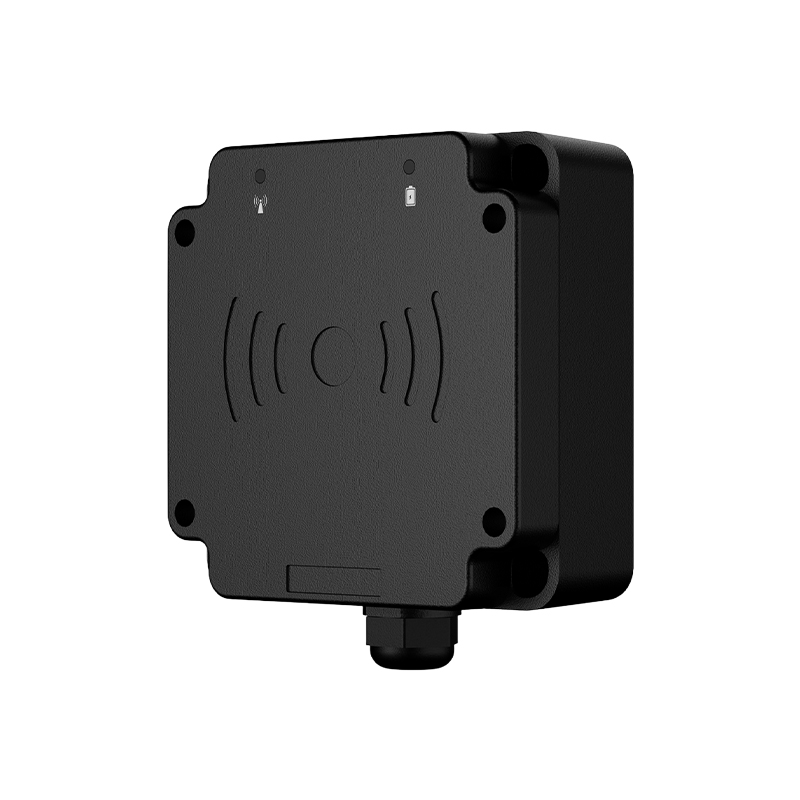
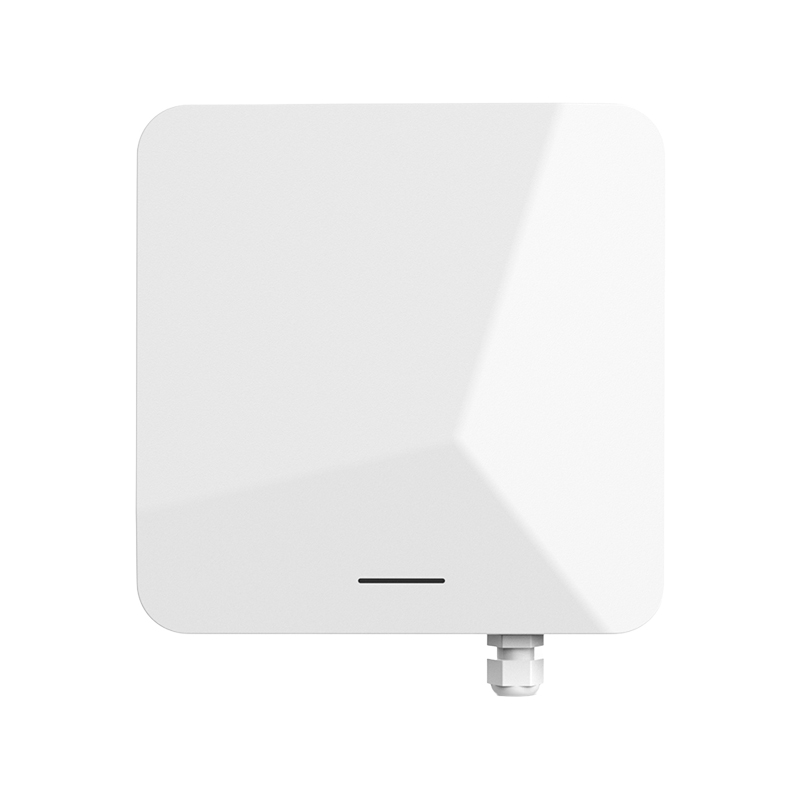
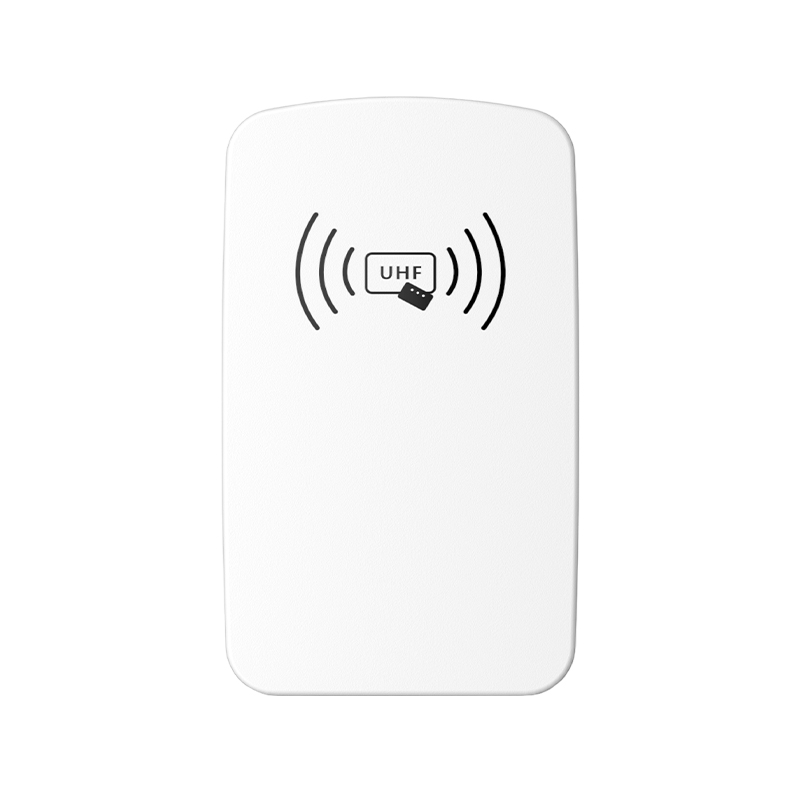
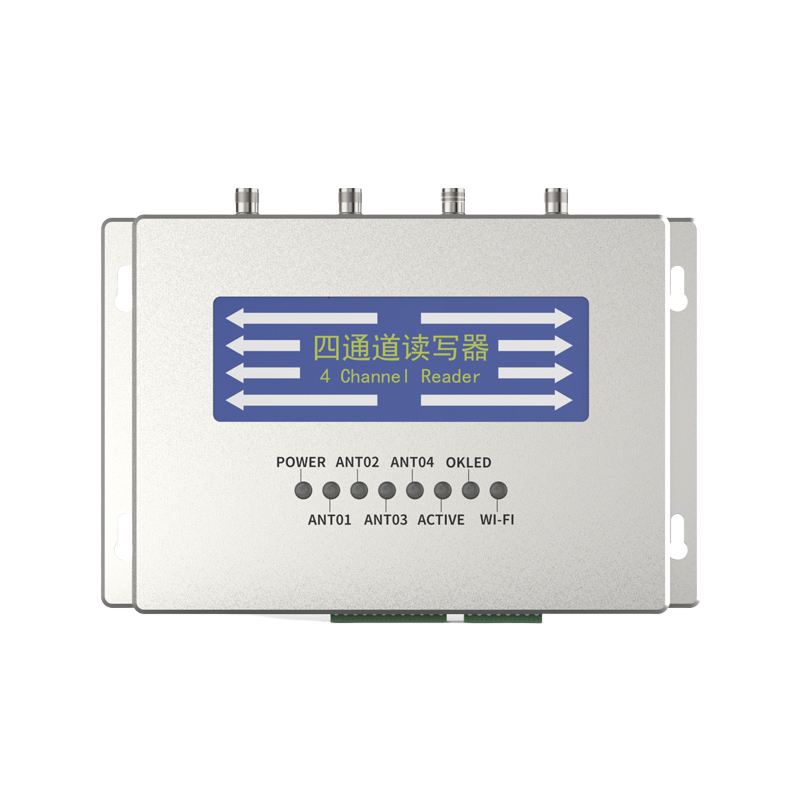
It's worth mentioning that the minimalist design and user-friendly details enhance the overall user experience. The low-slung, streamlined body doesn't obstruct the view or take up too much desk space; the surface material is non-slip and wear-resistant, and doesn't easily leave marks over time; the indicator lights gently show the working status, avoiding glaring flickering. These seemingly small design elements collectively create a "present yet unobtrusive" user philosophy—it's always ready, but never overshadows the user.
Ultimately, the superiority of this desktop reader doesn't come from piling on features, but from finding a delicate balance between size, performance, and user experience. It uses engineering ingenuity to hide complex radio frequency technology beneath a simple exterior, allowing users to only perceive smoothness and convenience.
Because in the world of efficient work, the best tools are those that make you forget they exist. The e-reader quietly resting on the corner of the table is the most elegant embodiment of this "invisible efficiency".
The answer lies first and foremost in the precise integration of the RF front-end and antenna. Unlike bulky external antenna solutions, this reader embeds a high-performance antenna directly into its compact body. Through electromagnetic simulation and iterative testing, engineers meticulously tuned the antenna's shape, position, and feeding method, enabling it to form a uniform and reasonably covered reading field within a limited space. When a standard-compliant RFID tag approaches the desktop area, regardless of slight angle adjustments, the signal is quickly captured and stably decoded. This "seamless recognition" experience allows users to complete operations simply by placing the device on their finger, eliminating the need for deliberate alignment or repeated attempts, thus greatly improving smoothness.
Furthermore, the dual USB interface design provides unprecedented output flexibility. Traditional card readers often only support fixed data output formats, making them difficult to adapt to different systems or application scenarios. This reader, however, cleverly utilizes dual USB channels to freely switch between multiple virtual keyboard output modes. Users can choose to transmit card number information via standard keyboard input, hexadecimal serial port simulation, or a custom protocol, depending on the needs of the backend system. This means that the same device can be used for enterprise access control, seamlessly integrated into library borrowing and returning systems, and even support customized industrial data acquisition terminals—no hardware changes are required; the role can be switched solely through software configuration, truly achieving "one device for multiple uses."
In addition, compliance and stability are the cornerstones of its reliable operation. The device strictly adheres to international RFID application specifications for the 860-960MHz frequency band and has passed authoritative certifications such as the US FCC, ensuring that it does not interfere with other devices in complex electromagnetic environments and is unaffected by external signals. Built-in filtering and anti-interference circuitry effectively suppresses power supply noise and radio frequency spurious emissions, maintaining accurate reading and rapid response even on desks densely populated with electronic devices such as computer towers, monitors, and mobile phones. This "silent reliability" makes it a trustworthy desktop partner for the long term.
It's worth mentioning that the minimalist design and user-friendly details enhance the overall user experience. The low-slung, streamlined body doesn't obstruct the view or take up too much desk space; the surface material is non-slip and wear-resistant, and doesn't easily leave marks over time; the indicator lights gently show the working status, avoiding glaring flickering. These seemingly small design elements collectively create a "present yet unobtrusive" user philosophy—it's always ready, but never overshadows the user.
Ultimately, the superiority of this desktop reader doesn't come from piling on features, but from finding a delicate balance between size, performance, and user experience. It uses engineering ingenuity to hide complex radio frequency technology beneath a simple exterior, allowing users to only perceive smoothness and convenience.
Because in the world of efficient work, the best tools are those that make you forget they exist. The e-reader quietly resting on the corner of the table is the most elegant embodiment of this "invisible efficiency".