


How can a desktop reader improve the efficiency and reliability of RFID data processing?
Release Time : 2026-03-04
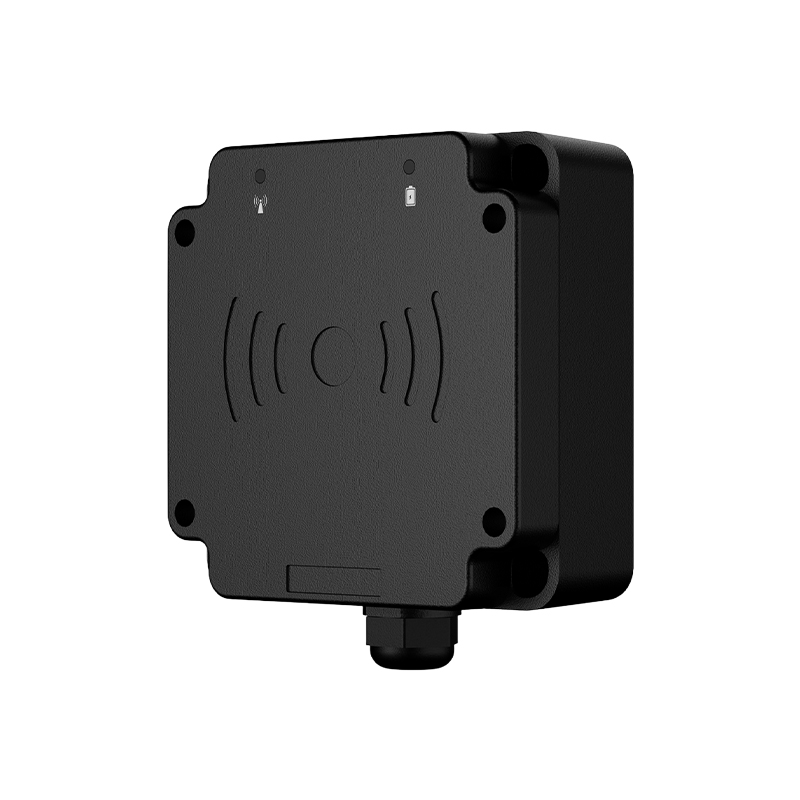
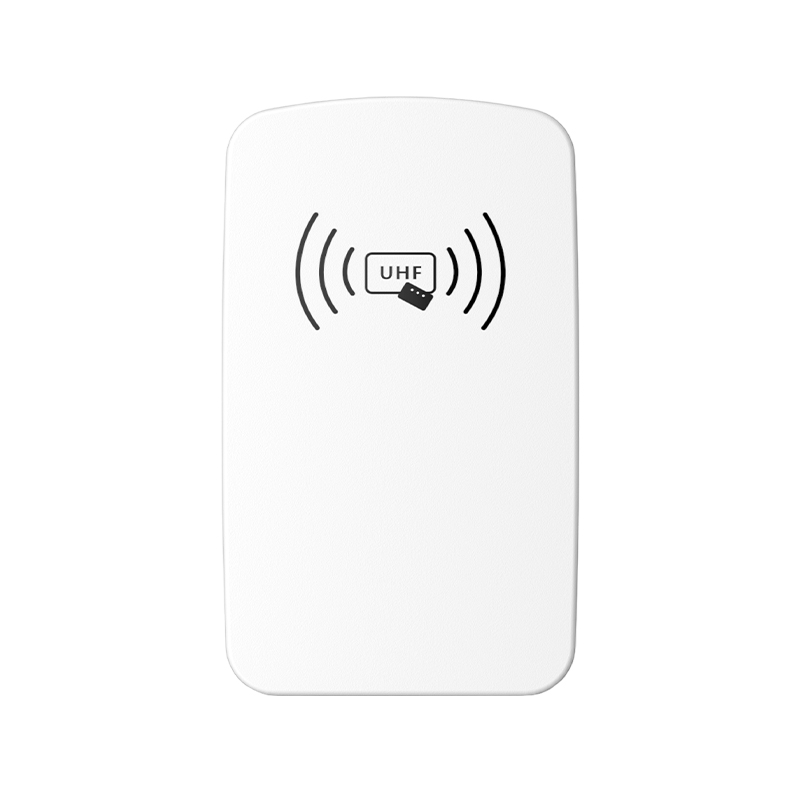
With the rapid development of information technology, RFID technology has been widely applied in various industries, especially in areas such as item tracking, inventory management, and asset management. As a highly efficient automatic identification technology, RFID uses radio frequency signals for data reading and transmission, gradually replacing traditional barcode scanning. The desktop reader, as a crucial component of the RFID system, not only improves data reading and writing efficiency but also significantly enhances operational convenience. Modern dual-USB interface desktop readers, in particular, not only comply with the 860-960MHz frequency band RFID technology application specifications and relevant US FCC regulations but also feature compact size, built-in antenna, and a compact design, better meeting the needs of various users.
The desktop reader supports the 860-960MHz frequency band and complies with the ISO-18000-6C (EPC C1G2) protocol, exhibiting extremely high compatibility and stability. The ISO-18000-6C protocol is one of the most widely used protocols in RFID systems, primarily used for high-frequency, high-efficiency data transmission, significantly improving the communication speed and accuracy between devices and tags. By supporting this protocol, the desktop reader can efficiently process various types of RFID tags, ensuring rapid data collection and accurate identification. This provides businesses with more stable and reliable technical support for tasks such as merchandise management, inventory counting, and equipment tracking.
The dual USB interface design allows the desktop reader to easily support various virtual keyboard output formats. USB interfaces have become the most common connection method in modern computers and devices. The dual USB interface design makes the device more flexible when connecting to computers or other terminal devices. Users can choose different interfaces to connect according to their actual needs, facilitating fast data transfer and device management. Unlike traditional single USB interfaces, this dual USB interface design not only provides more connection options but also enhances device compatibility, enabling seamless integration with different types of devices and systems, greatly improving the user experience.
The built-in antenna is another major highlight of the desktop reader. Traditional RFID readers require an additional antenna to enhance signal reception and transmission, while the built-in antenna design makes the entire device more compact, saving space and resulting in a simpler and more aesthetically pleasing appearance. The built-in antenna design enhances the reader's signal reception capabilities, enabling stable tag data reading over longer distances and improving work efficiency. Users can achieve efficient RFID data reading without the need for complex external devices, which is particularly significant for users in space-constrained office environments.
The desktop reader's compact and lightweight design makes it ideal for office workspaces with limited space. Compared to traditional devices, this device offers comparable functionality but is better suited for desktop or office environments, allowing users to easily read RFID tags anytime. This compact design not only improves portability but also provides a more flexible user experience. Whether in retail, logistics, and warehousing applications or in daily business operations, this small desktop reader meets the needs for efficient RFID data reading and writing without taking up excessive desktop space.
Stable and reliable data reading and writing capabilities are one of the core advantages of the desktop reader. As an RFID reader, data accuracy and transmission stability are crucial to its performance. This device ensures accurate data reading, supports efficient tag identification, and operates stably in complex environments. Whether reading high-density tags or transmitting signals over long distances, the device ensures high stability and a low error rate. For businesses, this highly reliable equipment effectively reduces operational risks caused by data loss or misidentification, ensuring smooth system operation and accurate information transmission.
The desktop reader also specifically supports a virtual keyboard output format, making operation more intuitive and convenient. Through virtual keyboard output, users can directly input RFID-read data into computers or other systems, simplifying the data entry process, reducing tedious manual operations, and improving work efficiency. This convenient operation method is particularly suitable for industries that require frequent data reading and recording, such as retail management and warehouse management. This seamlessly integrated data input method can greatly improve the automation level of workflows, reduce human input errors, and improve overall work efficiency.
From a usage scenario perspective, the desktop reader is particularly suitable for environments requiring efficient and accurate data processing. Due to its compact design and ease of operation, it is suitable not only for large and medium-sized enterprises but also for small shops, logistics companies, warehouse management, and other similar locations. Whether for inventory management, product tracking, employee attendance, or equipment maintenance, desktop card readers offer efficient and stable data processing solutions. By providing fast data transmission and accurate tag identification, it helps users quickly acquire and record RFID tag information, reducing manual workload and improving work efficiency.
Furthermore, the device's high compatibility and design compliant with US FCC regulations allow for widespread global use. Whether in domestic or international markets, this device meets the regulatory requirements of different regions, ensuring stable and reliable operation worldwide. Especially for multinational corporations, RFID devices compliant with international standards offer better compatibility and interoperability, ensuring smooth business collaboration between different countries and regions.
In summary, this dual-USB interface desktop card reader, with its compliance with 860-960MHz RFID technology specifications, built-in antenna design, dual USB communication, virtual keyboard output, and other advanced features, has become an ideal choice for modern RFID applications. It not only meets the high-efficiency needs of enterprises in areas such as goods management and inventory management but also provides a flexible and convenient user experience, ensuring the stability and accuracy of data reading. With the popularization of RFID technology and the continuous expansion of its application scenarios, desktop readers will undoubtedly unleash greater potential in more industries.
The desktop reader supports the 860-960MHz frequency band and complies with the ISO-18000-6C (EPC C1G2) protocol, exhibiting extremely high compatibility and stability. The ISO-18000-6C protocol is one of the most widely used protocols in RFID systems, primarily used for high-frequency, high-efficiency data transmission, significantly improving the communication speed and accuracy between devices and tags. By supporting this protocol, the desktop reader can efficiently process various types of RFID tags, ensuring rapid data collection and accurate identification. This provides businesses with more stable and reliable technical support for tasks such as merchandise management, inventory counting, and equipment tracking.
The dual USB interface design allows the desktop reader to easily support various virtual keyboard output formats. USB interfaces have become the most common connection method in modern computers and devices. The dual USB interface design makes the device more flexible when connecting to computers or other terminal devices. Users can choose different interfaces to connect according to their actual needs, facilitating fast data transfer and device management. Unlike traditional single USB interfaces, this dual USB interface design not only provides more connection options but also enhances device compatibility, enabling seamless integration with different types of devices and systems, greatly improving the user experience.
The built-in antenna is another major highlight of the desktop reader. Traditional RFID readers require an additional antenna to enhance signal reception and transmission, while the built-in antenna design makes the entire device more compact, saving space and resulting in a simpler and more aesthetically pleasing appearance. The built-in antenna design enhances the reader's signal reception capabilities, enabling stable tag data reading over longer distances and improving work efficiency. Users can achieve efficient RFID data reading without the need for complex external devices, which is particularly significant for users in space-constrained office environments.
The desktop reader's compact and lightweight design makes it ideal for office workspaces with limited space. Compared to traditional devices, this device offers comparable functionality but is better suited for desktop or office environments, allowing users to easily read RFID tags anytime. This compact design not only improves portability but also provides a more flexible user experience. Whether in retail, logistics, and warehousing applications or in daily business operations, this small desktop reader meets the needs for efficient RFID data reading and writing without taking up excessive desktop space.
Stable and reliable data reading and writing capabilities are one of the core advantages of the desktop reader. As an RFID reader, data accuracy and transmission stability are crucial to its performance. This device ensures accurate data reading, supports efficient tag identification, and operates stably in complex environments. Whether reading high-density tags or transmitting signals over long distances, the device ensures high stability and a low error rate. For businesses, this highly reliable equipment effectively reduces operational risks caused by data loss or misidentification, ensuring smooth system operation and accurate information transmission.
The desktop reader also specifically supports a virtual keyboard output format, making operation more intuitive and convenient. Through virtual keyboard output, users can directly input RFID-read data into computers or other systems, simplifying the data entry process, reducing tedious manual operations, and improving work efficiency. This convenient operation method is particularly suitable for industries that require frequent data reading and recording, such as retail management and warehouse management. This seamlessly integrated data input method can greatly improve the automation level of workflows, reduce human input errors, and improve overall work efficiency.
From a usage scenario perspective, the desktop reader is particularly suitable for environments requiring efficient and accurate data processing. Due to its compact design and ease of operation, it is suitable not only for large and medium-sized enterprises but also for small shops, logistics companies, warehouse management, and other similar locations. Whether for inventory management, product tracking, employee attendance, or equipment maintenance, desktop card readers offer efficient and stable data processing solutions. By providing fast data transmission and accurate tag identification, it helps users quickly acquire and record RFID tag information, reducing manual workload and improving work efficiency.
Furthermore, the device's high compatibility and design compliant with US FCC regulations allow for widespread global use. Whether in domestic or international markets, this device meets the regulatory requirements of different regions, ensuring stable and reliable operation worldwide. Especially for multinational corporations, RFID devices compliant with international standards offer better compatibility and interoperability, ensuring smooth business collaboration between different countries and regions.
In summary, this dual-USB interface desktop card reader, with its compliance with 860-960MHz RFID technology specifications, built-in antenna design, dual USB communication, virtual keyboard output, and other advanced features, has become an ideal choice for modern RFID applications. It not only meets the high-efficiency needs of enterprises in areas such as goods management and inventory management but also provides a flexible and convenient user experience, ensuring the stability and accuracy of data reading. With the popularization of RFID technology and the continuous expansion of its application scenarios, desktop readers will undoubtedly unleash greater potential in more industries.