


How to Balance Portability and Signal Performance Stability in RFID Desktop Reader Writers Amidst Miniaturization Trends?
Release Time : 2026-05-25
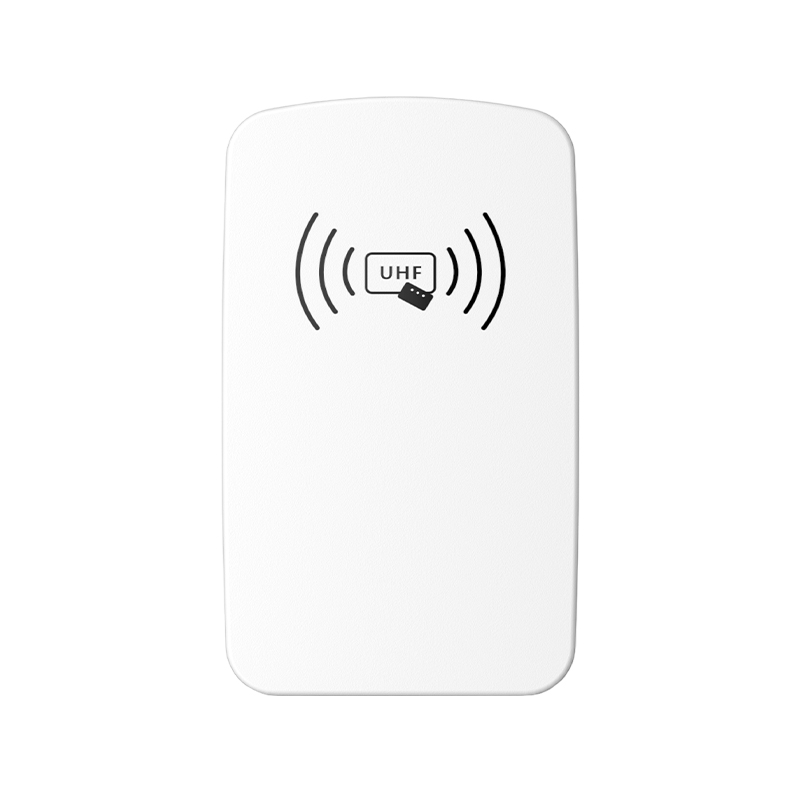
With the rapid development of the Internet of Things (IoT) and digital management, RFID desktop reader writers, as crucial terminal devices for data collection and identification, are widely used in scenarios such as warehouse management, retail checkout, library management, and government service windows. As application scenarios become increasingly diversified, miniaturization and portability are gradually becoming important trends in device design.
1. Optimizing Built-in Antenna Design to Improve Signal Stability
In RFID desktop reader writers, the antenna system is a key component determining reading distance and identification stability. Miniaturization often compresses internal space, making the antenna layout more compact. If the design is not reasonable, it can easily lead to a reduction in signal coverage or an increase in reading blind spots. Therefore, under the miniaturization trend, an integrated built-in antenna design is typically adopted, and the antenna structure is optimized through electromagnetic simulation to achieve more efficient signal radiation within a limited space. Simultaneously, by adjusting the antenna directivity and gain distribution, stable reading performance can be maintained while ensuring a smaller device size. Furthermore, some devices also employ a multi-antenna collaborative design to enhance multi-angle tag identification capabilities, thereby improving overall stability.
2. Enhancing Circuit Integration for Compact Structure
To achieve device miniaturization, RFID desktop reader writers typically require increased circuit system integration. By integrating highly integrated chips and multi-functional modules, the number of components can be reduced while mitigating signal interference risks. For example, integrating the RF module, control chip, and USB communication module into a single design not only reduces PCB area but also improves signal transmission efficiency. Simultaneously, optimizing circuit layout and shielding design reduces interference between high-frequency signals, ensuring stable operation even in a compact structure. This highly integrated design not only contributes to device miniaturization but also improves overall reliability and anti-interference capabilities.
3. Optimizing Dual USB Communication Structure for Improved Data Stability
In practical applications, RFID desktop reader writers typically need to interact with computers or terminal devices via a USB interface. While dual USB communication design increases flexibility, it also places higher demands on data stability. An inadequate communication structure design can easily lead to data delays or packet loss. Therefore, during miniaturization, the USB communication module is usually independently isolated and optimized to improve transmission stability by reducing electromagnetic interference paths. Meanwhile, combined with virtual keyboard output, it enables plug-and-play data entry, improving operational convenience. Through optimized communication structure, the device maintains a compact size while retaining efficient and stable data processing capabilities.
4. Enhanced Structural Shielding and Heat Dissipation Design Ensures Long-Term Operation
In miniaturized devices, limited internal space and high electronic component density can easily lead to signal interference and heat buildup. Insufficient heat dissipation and shielding design can affect the stability of RFID read/write performance. Therefore, modern RFID desktop reader writers typically employ metal shielding structures or electromagnetic isolation designs to reduce the impact of external interference on the signal. Simultaneously, by optimizing internal heat dissipation paths and material selection, the device can maintain stable temperature operation even under high-frequency continuous operation. Furthermore, a reasonable heat dissipation design within a compact structure not only extends the device's lifespan but also ensures reading accuracy and stability during long-term use.
In summary, under the trend of miniaturization, the RFID desktop reader writer achieves a balance between portability and signal performance stability through comprehensive improvements in antenna optimization, circuit integration, communication structure upgrades, and shielding and heat dissipation design. This design approach not only enhances the practicality of the device but also lays the technological foundation for its promotion in more complex application scenarios.
1. Optimizing Built-in Antenna Design to Improve Signal Stability
In RFID desktop reader writers, the antenna system is a key component determining reading distance and identification stability. Miniaturization often compresses internal space, making the antenna layout more compact. If the design is not reasonable, it can easily lead to a reduction in signal coverage or an increase in reading blind spots. Therefore, under the miniaturization trend, an integrated built-in antenna design is typically adopted, and the antenna structure is optimized through electromagnetic simulation to achieve more efficient signal radiation within a limited space. Simultaneously, by adjusting the antenna directivity and gain distribution, stable reading performance can be maintained while ensuring a smaller device size. Furthermore, some devices also employ a multi-antenna collaborative design to enhance multi-angle tag identification capabilities, thereby improving overall stability.
2. Enhancing Circuit Integration for Compact Structure
To achieve device miniaturization, RFID desktop reader writers typically require increased circuit system integration. By integrating highly integrated chips and multi-functional modules, the number of components can be reduced while mitigating signal interference risks. For example, integrating the RF module, control chip, and USB communication module into a single design not only reduces PCB area but also improves signal transmission efficiency. Simultaneously, optimizing circuit layout and shielding design reduces interference between high-frequency signals, ensuring stable operation even in a compact structure. This highly integrated design not only contributes to device miniaturization but also improves overall reliability and anti-interference capabilities.
3. Optimizing Dual USB Communication Structure for Improved Data Stability
In practical applications, RFID desktop reader writers typically need to interact with computers or terminal devices via a USB interface. While dual USB communication design increases flexibility, it also places higher demands on data stability. An inadequate communication structure design can easily lead to data delays or packet loss. Therefore, during miniaturization, the USB communication module is usually independently isolated and optimized to improve transmission stability by reducing electromagnetic interference paths. Meanwhile, combined with virtual keyboard output, it enables plug-and-play data entry, improving operational convenience. Through optimized communication structure, the device maintains a compact size while retaining efficient and stable data processing capabilities.
4. Enhanced Structural Shielding and Heat Dissipation Design Ensures Long-Term Operation
In miniaturized devices, limited internal space and high electronic component density can easily lead to signal interference and heat buildup. Insufficient heat dissipation and shielding design can affect the stability of RFID read/write performance. Therefore, modern RFID desktop reader writers typically employ metal shielding structures or electromagnetic isolation designs to reduce the impact of external interference on the signal. Simultaneously, by optimizing internal heat dissipation paths and material selection, the device can maintain stable temperature operation even under high-frequency continuous operation. Furthermore, a reasonable heat dissipation design within a compact structure not only extends the device's lifespan but also ensures reading accuracy and stability during long-term use.
In summary, under the trend of miniaturization, the RFID desktop reader writer achieves a balance between portability and signal performance stability through comprehensive improvements in antenna optimization, circuit integration, communication structure upgrades, and shielding and heat dissipation design. This design approach not only enhances the practicality of the device but also lays the technological foundation for its promotion in more complex application scenarios.