


How do long-range UHF RFID readers improve waste management efficiency?
Release Time : 2026-05-11
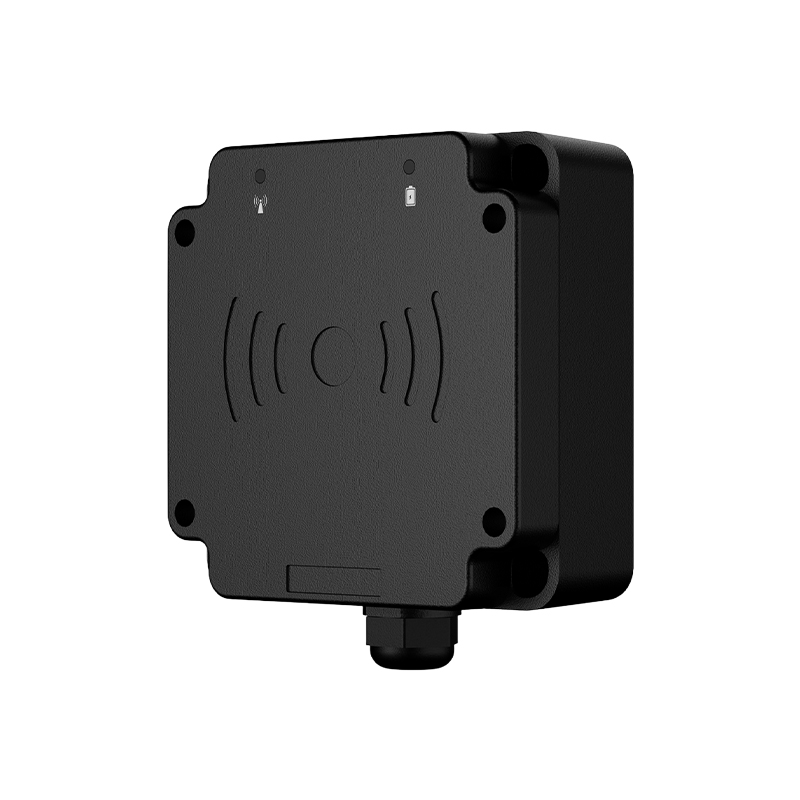
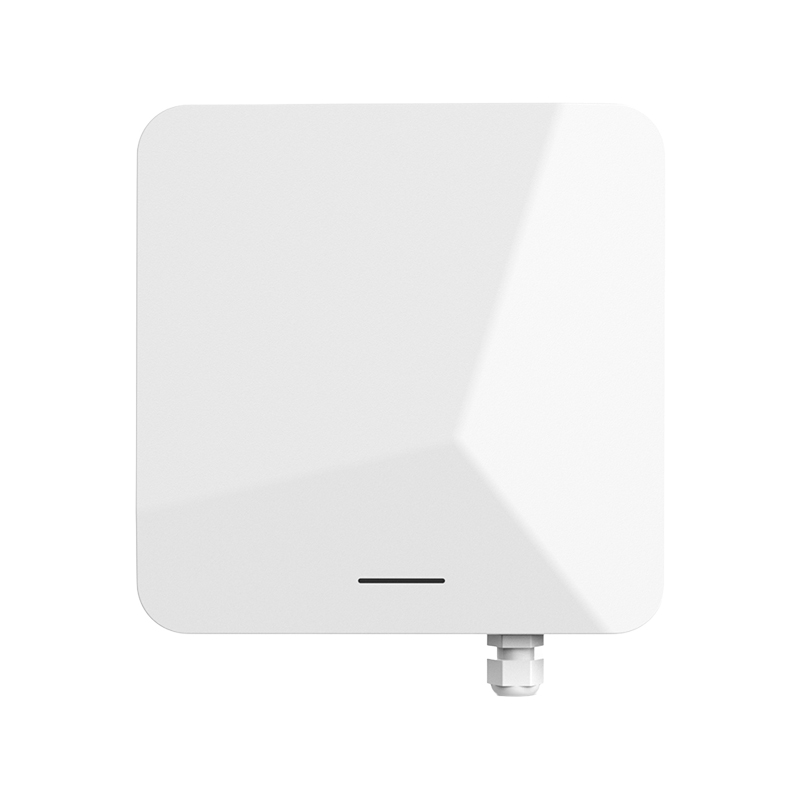
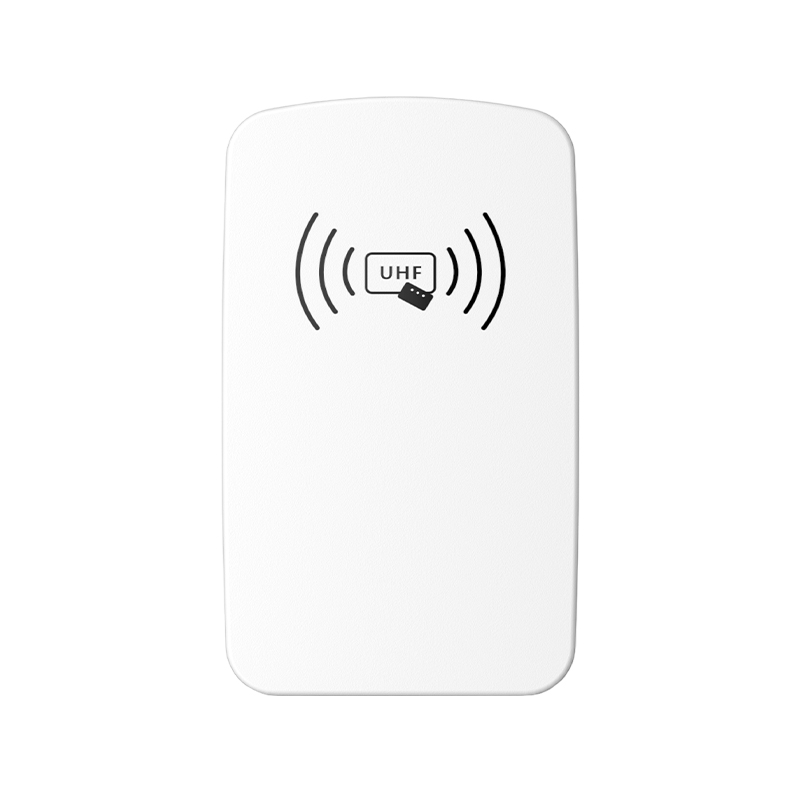
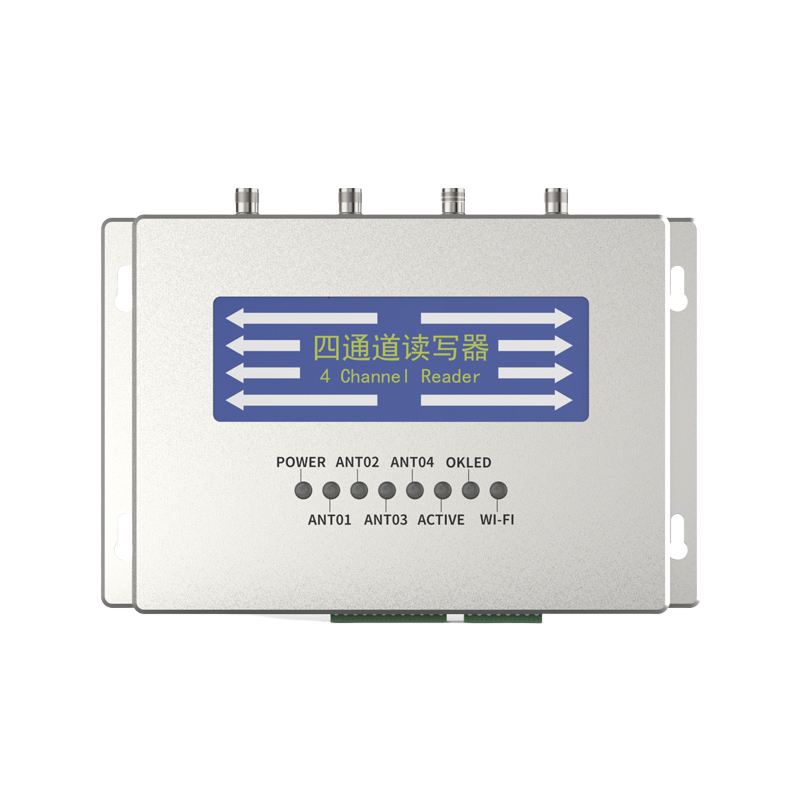
Long-range UHF RFID readers play a crucial role in modern waste management systems. Their high performance, multi-tag recognition capabilities, and stability make them core technology equipment for urban waste collection, recycling management, and industrial waste treatment. This reader utilizes advanced UHF technology to accurately identify multiple access cards and tags at long distances, enabling efficient monitoring and management of waste collection vehicles, trash cans, and recycling containers. Through automated identification and data collection, waste management workflows are significantly optimized, resulting in improved management efficiency and information transparency.
The reader's multi-tag recognition function maintains a high recognition rate even in complex scenarios. In waste management systems, collection vehicles often need to read multiple tags simultaneously, such as trash can tags, vehicle tags, and recycling station identifiers. Long-range UHF readers can quickly distinguish and identify multiple tag information without manual intervention, significantly improving operational efficiency and reducing management loopholes caused by human error. The multi-tag recognition function not only speeds up waste collection and transportation but also ensures the accuracy of data recording, providing reliable support for subsequent data analysis, recycling statistics, and resource scheduling.
Long-range identification capability is another major advantage of this reader. In traditional waste management, staff must approach the equipment to scan or manually register tags, which is time-consuming and impacts overall management efficiency. This reader can complete identification from a greater distance, supporting automatic tag reading by vehicles and mobile devices during operation. Long-range identification effectively reduces labor costs and waiting time in operational steps, making waste collection and management processes smoother and more efficient.
Stability and anti-interference capabilities are key indicators for the application of long-range UHF RFID readers in industrial environments. This reader employs advanced chip and antenna design, possessing excellent anti-electromagnetic interference capabilities and environmental adaptability, maintaining stable performance in high-temperature, humid, and multi-metal environments. Waste management systems typically operate in the open air, in transport vehicles, or in industrial parks; the reader's reliability directly affects the data accuracy and management efficiency of the entire system. High stability ensures long-term trouble-free operation, providing continuous support for waste management.
This reader also features intelligent data processing and remote management capabilities. Through seamless integration with the management platform, the system can collect, store, and analyze identification data in real time, enabling dynamic monitoring of collection vehicle routes, trash can usage, and recycling efficiency. Remote management allows system administrators to view equipment status, update software, and adjust identification strategies in real time, eliminating the need for on-site operation and further enhancing management convenience and operational efficiency.
Furthermore, the reader is easy to install and maintain, supporting multiple installation methods such as wall mounting, pole mounting, or vehicle mounting, flexibly adapting to different waste management scenarios. Modular design and intelligent interfaces ensure rapid upgrades and maintenance in case of malfunctions or the need for functional expansion, reducing system maintenance costs.
Through the application of long-range UHF RFID readers, the waste management system achieves process automation, data accuracy, and operational efficiency. Multi-tag identification, long-range scanning, stability and anti-interference capabilities, as well as intelligent data processing and convenient installation, make it an indispensable core device in modern urban waste collection, resource recycling, and industrial waste management. Its application not only improves management efficiency but also increases resource utilization, promoting the development of waste management towards intelligence and informatization, bringing significant economic and social value to cities and enterprises.
The reader's multi-tag recognition function maintains a high recognition rate even in complex scenarios. In waste management systems, collection vehicles often need to read multiple tags simultaneously, such as trash can tags, vehicle tags, and recycling station identifiers. Long-range UHF readers can quickly distinguish and identify multiple tag information without manual intervention, significantly improving operational efficiency and reducing management loopholes caused by human error. The multi-tag recognition function not only speeds up waste collection and transportation but also ensures the accuracy of data recording, providing reliable support for subsequent data analysis, recycling statistics, and resource scheduling.
Long-range identification capability is another major advantage of this reader. In traditional waste management, staff must approach the equipment to scan or manually register tags, which is time-consuming and impacts overall management efficiency. This reader can complete identification from a greater distance, supporting automatic tag reading by vehicles and mobile devices during operation. Long-range identification effectively reduces labor costs and waiting time in operational steps, making waste collection and management processes smoother and more efficient.
Stability and anti-interference capabilities are key indicators for the application of long-range UHF RFID readers in industrial environments. This reader employs advanced chip and antenna design, possessing excellent anti-electromagnetic interference capabilities and environmental adaptability, maintaining stable performance in high-temperature, humid, and multi-metal environments. Waste management systems typically operate in the open air, in transport vehicles, or in industrial parks; the reader's reliability directly affects the data accuracy and management efficiency of the entire system. High stability ensures long-term trouble-free operation, providing continuous support for waste management.
This reader also features intelligent data processing and remote management capabilities. Through seamless integration with the management platform, the system can collect, store, and analyze identification data in real time, enabling dynamic monitoring of collection vehicle routes, trash can usage, and recycling efficiency. Remote management allows system administrators to view equipment status, update software, and adjust identification strategies in real time, eliminating the need for on-site operation and further enhancing management convenience and operational efficiency.
Furthermore, the reader is easy to install and maintain, supporting multiple installation methods such as wall mounting, pole mounting, or vehicle mounting, flexibly adapting to different waste management scenarios. Modular design and intelligent interfaces ensure rapid upgrades and maintenance in case of malfunctions or the need for functional expansion, reducing system maintenance costs.
Through the application of long-range UHF RFID readers, the waste management system achieves process automation, data accuracy, and operational efficiency. Multi-tag identification, long-range scanning, stability and anti-interference capabilities, as well as intelligent data processing and convenient installation, make it an indispensable core device in modern urban waste collection, resource recycling, and industrial waste management. Its application not only improves management efficiency but also increases resource utilization, promoting the development of waste management towards intelligence and informatization, bringing significant economic and social value to cities and enterprises.