


How Does an RFID Reader Module Become an All-Round Data Reader/Writer?
Release Time : 2025-12-12
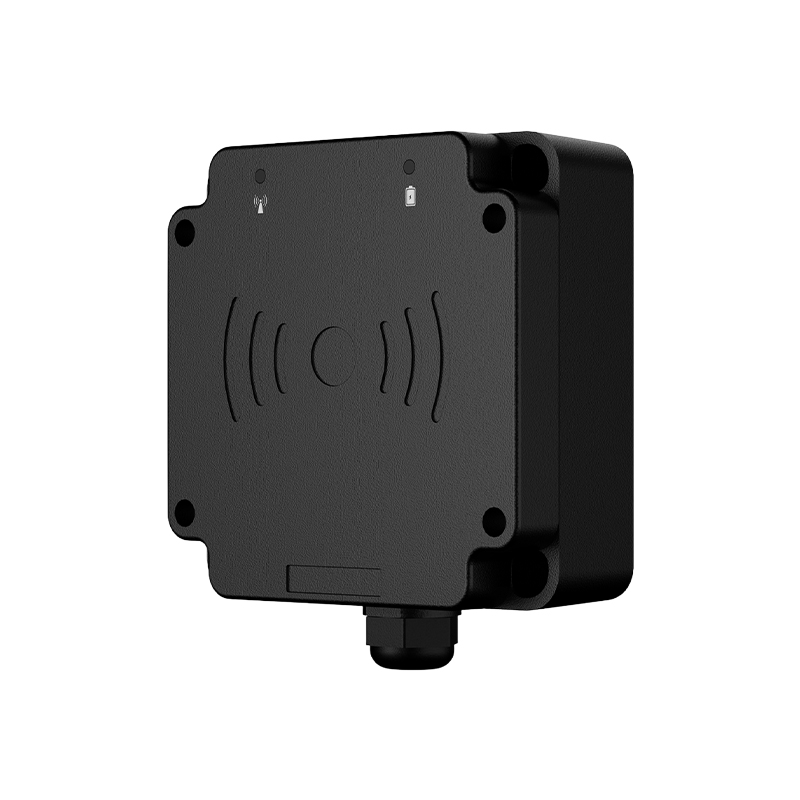
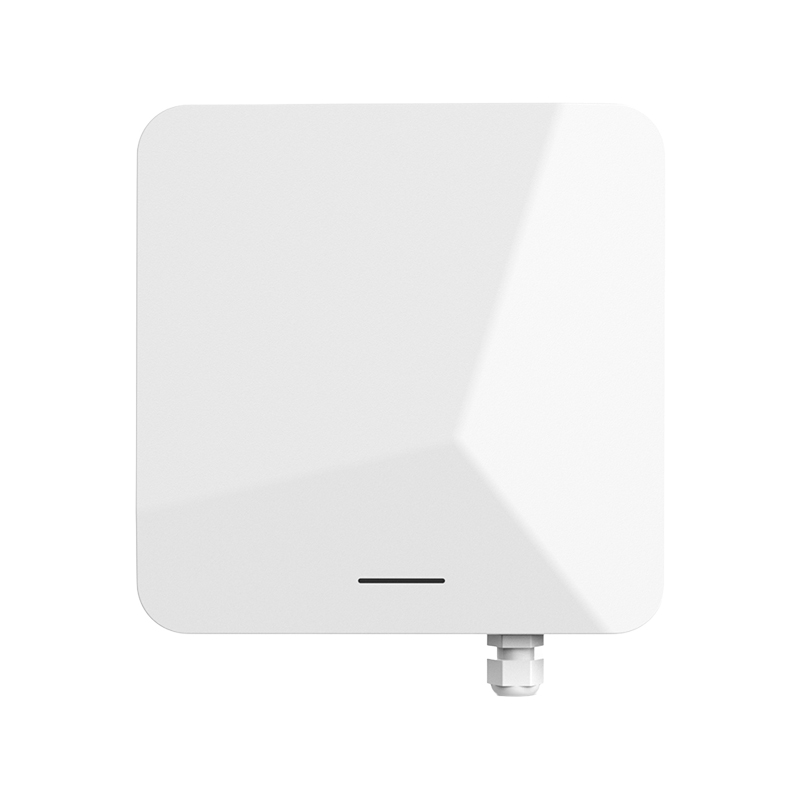
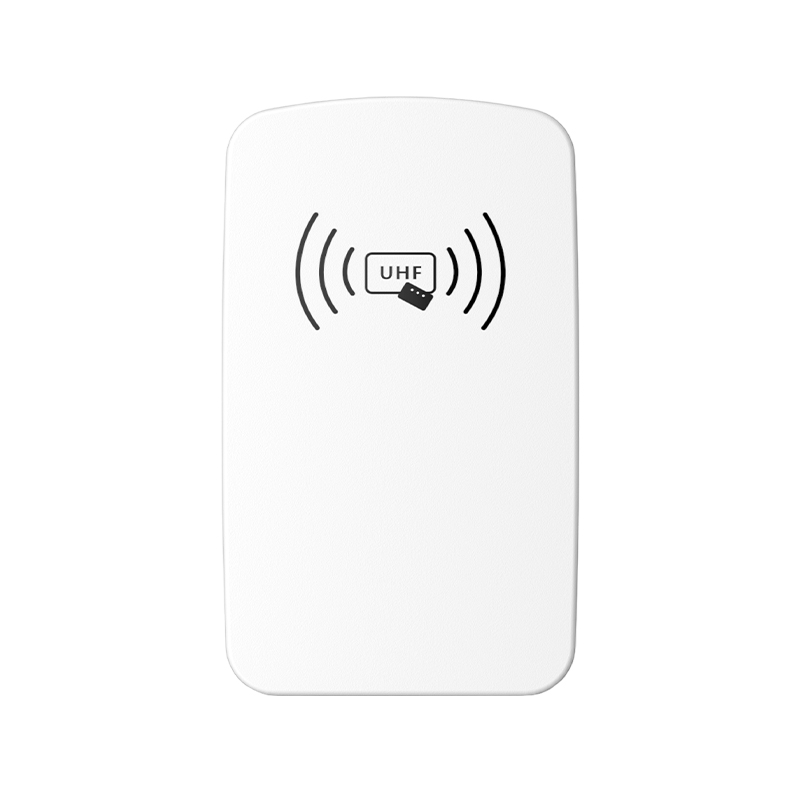
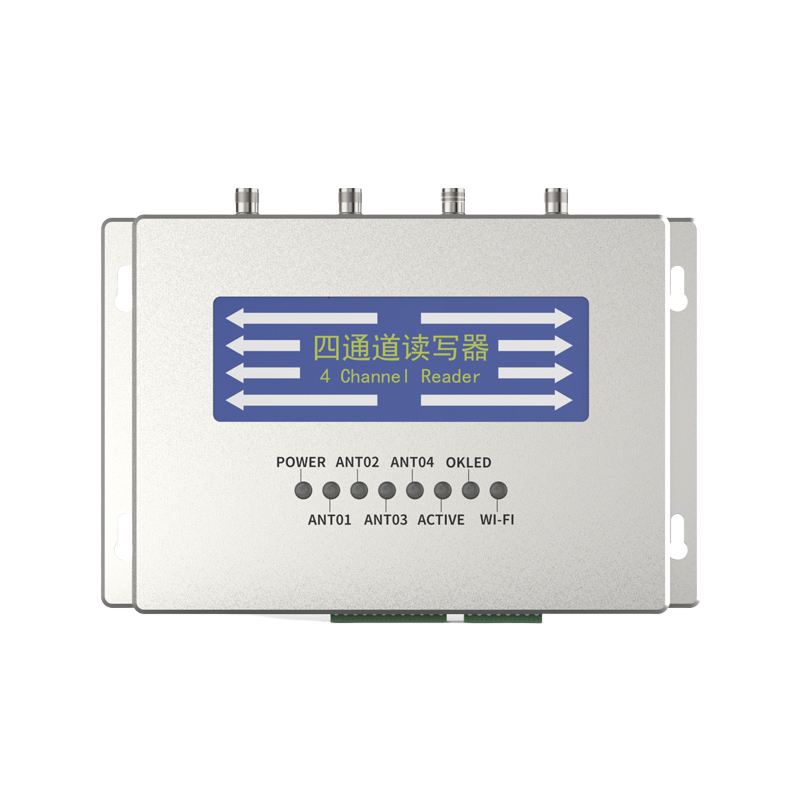
In today's rapidly developing Internet of Things (IoT) era, automatic identification technology has become a crucial bridge connecting the physical world and digital systems. As a core component of UHF (Ultra-High Frequency) radio frequency identification (RFID) systems, RFID reader modules are rapidly evolving from "single-function devices" to "intelligent sensing terminals." Among them, the professional-grade multi-channel high-performance UHF electronic tag fixed reader/writer module, developed based on the TM series platform, is establishing itself as a benchmark for "all-round data read/write king" in multiple fields such as warehousing and logistics, intelligent manufacturing, smart retail, and asset management, thanks to its completely independent intellectual property rights, strong protocol compatibility, and excellent environmental adaptability.
1. Wide Band Support and Multi-Protocol Compatibility: Breaking Down Global Application Barriers
This reader/writer module operates on a default frequency band of 902MHz to 928MHz, precisely covering the North American FCC standard, truly achieving "one device, multiple zones" deployment. More importantly, it can efficiently identify and stably communicate with both imported tags and domestically produced chips. This superior protocol compatibility greatly reduces the integration complexity and equipment selection risks for enterprises in global supply chains or cross-regional projects.
2. Multi-channel Architecture and Long-Distance Reading: Unleashing the Potential of High-Concurrency Identification
Leveraging the advanced RF front-end design of the TM series platform, this module supports independent multi-channel transmission and reception, simultaneously driving multiple antennas to form a comprehensive reading field with no blind spots. Combined with a high-sensitivity receiving circuit and intelligent anti-interference algorithms, it can achieve a stable reading distance of over 10 meters, even in industrial environments with dense metal shelving and complex electromagnetic conditions. More importantly, it boasts a high-speed inventory counting capability of hundreds of tags per second, ensuring "no missed reads and no incorrect reads" in high-traffic scenarios such as pallet entry/exit and work-in-process tracking on production lines, providing a solid data foundation for real-time inventory visualization and process automation.
3. Industrial-Grade Protection and Convenient Deployment: From the Laboratory to Harsh Fields
To meet the long-term reliable operation requirements of industrial environments, this reader module adopts a fully enclosed metal shell design, achieving an IP67 protection rating, effectively resisting dust, moisture, and oil corrosion; its wide operating temperature range of -30℃ to +70℃ adapts to various extreme conditions such as cold storage, outdoor warehouses, and high-temperature workshops. Meanwhile, the modular structure supports DIN rail or wall mounting, and with multiple configuration interfaces such as Web GUI, serial port, Ethernet, and SDK, it achieves "plug and play, remote debugging," significantly reducing engineering deployment and subsequent maintenance costs.
4. Independent Control and Open Ecosystem: Empowering Domestic Intelligent Upgrades
As core hardware with completely independent intellectual property rights, this reader module not only avoids the risk of supply chain bottlenecks but also provides open API interfaces and abundant secondary development resources, supporting seamless integration with enterprise systems such as MES, WMS, and ERP. Developers can customize reading strategies, trigger rules, and even edge computing functions according to specific business logic, upgrading the reader from a "data collection point" to an "intelligent decision-making node."
In the era of the Internet of Everything, accurate, efficient, and stable data acquisition is a prerequisite for intelligence. The UHF RFID reader module on the TM platform breaks through standard barriers with its superior compatibility, supports complex scenarios with multi-channel high performance, and is rooted in the front-line field with industrial-grade reliability, truly achieving "accurate reading, fast recognition, stable connection, and long service life." It is not only the hardware carrier of RFID technology, but also an all-around data engine that drives the digital transformation of industries.
1. Wide Band Support and Multi-Protocol Compatibility: Breaking Down Global Application Barriers
This reader/writer module operates on a default frequency band of 902MHz to 928MHz, precisely covering the North American FCC standard, truly achieving "one device, multiple zones" deployment. More importantly, it can efficiently identify and stably communicate with both imported tags and domestically produced chips. This superior protocol compatibility greatly reduces the integration complexity and equipment selection risks for enterprises in global supply chains or cross-regional projects.
2. Multi-channel Architecture and Long-Distance Reading: Unleashing the Potential of High-Concurrency Identification
Leveraging the advanced RF front-end design of the TM series platform, this module supports independent multi-channel transmission and reception, simultaneously driving multiple antennas to form a comprehensive reading field with no blind spots. Combined with a high-sensitivity receiving circuit and intelligent anti-interference algorithms, it can achieve a stable reading distance of over 10 meters, even in industrial environments with dense metal shelving and complex electromagnetic conditions. More importantly, it boasts a high-speed inventory counting capability of hundreds of tags per second, ensuring "no missed reads and no incorrect reads" in high-traffic scenarios such as pallet entry/exit and work-in-process tracking on production lines, providing a solid data foundation for real-time inventory visualization and process automation.
3. Industrial-Grade Protection and Convenient Deployment: From the Laboratory to Harsh Fields
To meet the long-term reliable operation requirements of industrial environments, this reader module adopts a fully enclosed metal shell design, achieving an IP67 protection rating, effectively resisting dust, moisture, and oil corrosion; its wide operating temperature range of -30℃ to +70℃ adapts to various extreme conditions such as cold storage, outdoor warehouses, and high-temperature workshops. Meanwhile, the modular structure supports DIN rail or wall mounting, and with multiple configuration interfaces such as Web GUI, serial port, Ethernet, and SDK, it achieves "plug and play, remote debugging," significantly reducing engineering deployment and subsequent maintenance costs.
4. Independent Control and Open Ecosystem: Empowering Domestic Intelligent Upgrades
As core hardware with completely independent intellectual property rights, this reader module not only avoids the risk of supply chain bottlenecks but also provides open API interfaces and abundant secondary development resources, supporting seamless integration with enterprise systems such as MES, WMS, and ERP. Developers can customize reading strategies, trigger rules, and even edge computing functions according to specific business logic, upgrading the reader from a "data collection point" to an "intelligent decision-making node."
In the era of the Internet of Everything, accurate, efficient, and stable data acquisition is a prerequisite for intelligence. The UHF RFID reader module on the TM platform breaks through standard barriers with its superior compatibility, supports complex scenarios with multi-channel high performance, and is rooted in the front-line field with industrial-grade reliability, truly achieving "accurate reading, fast recognition, stable connection, and long service life." It is not only the hardware carrier of RFID technology, but also an all-around data engine that drives the digital transformation of industries.